.png?width=1500&name=Best%20national%20parks%20in%20(8).png)
The Story of AI
Its presence is no longer something we speak of as "the future."
It is here. In our everyday lives.
But the journey began long before anyone said the words "AI."
Introduction
Why Talk About AI?
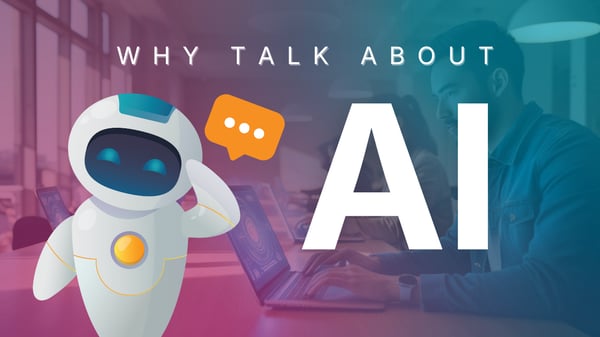
Artificial intelligence is no longer something we speak of as "the future." It's here. In our everyday lives. But the journey we are in the middle of began long before anyone said the words "AI".
It started with an idea: to build machines that could calculate. Later: machines that could understand. And today… machines that try to cooperate.
This is the story of how it all began – and how we got here.

1830
Then there was only mechanics.
In the 1830s, Ada Lovelace created the world's first algorithm – for a machine that had not yet been invented. She imagined that machines could not only calculate – they could create.
Since then, it has been rapidly gaining traction and spreading. The first cable crossed the country. The first telephone. The light bulb. The first car. The first flight. And wireless communication.
.png?width=600&name=Best%20national%20parks%20in%20(1).png)
1956
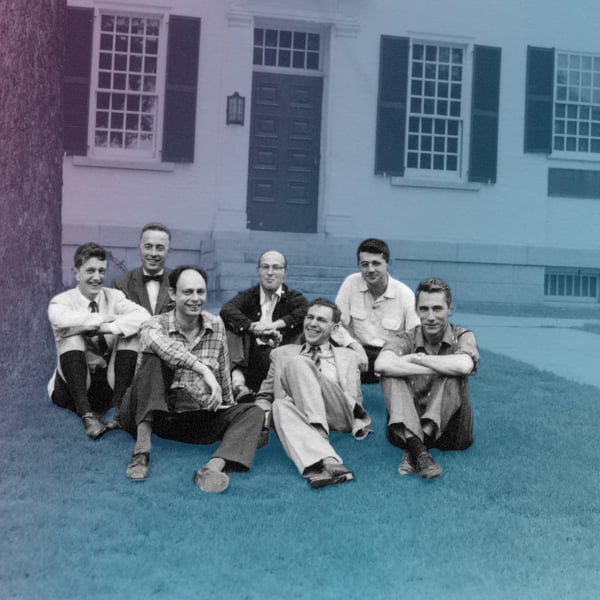
In 1956, a group of researchers gathered at Dartmouth College in the USA. There, in the middle of the summer heat, the concept of Artificial Intelligence was born.
They dreamed of machines that could understand language, play games, and solve problems on their own.
But reality was different. Computer science was still young. The machines were slow, and most ideas stayed in the laboratory.
Still – something had begun.
.png?width=600&name=Best%20national%20parks%20in%20(2).png)
1980
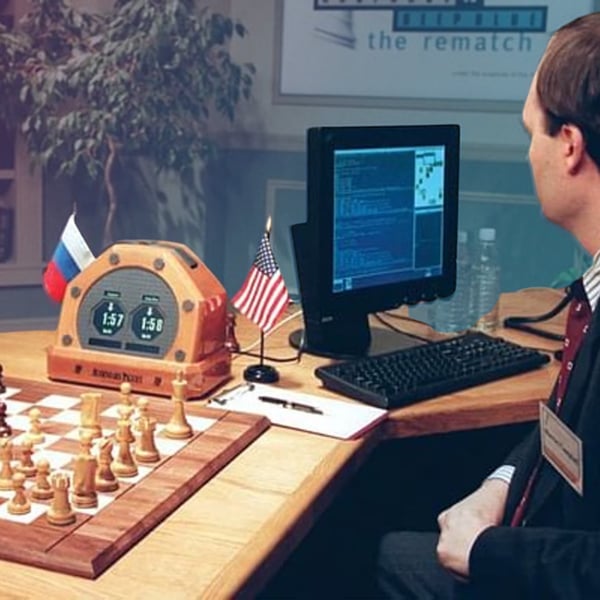
In the 1980s, AI got a new rise. Expert systems were seen as the future solution – programs that could think like a doctor. Or, for example, a lawyer.
But reality was more complex than rules and databases. The systems were rigid. Difficult to maintain. And they failed when the world did not follow the script.
The AI Winter
- When Promise Met Reality
Optimism vanished. AI went into hibernation – a period we today call the AI Winter.
.png?width=600&name=Best%20national%20parks%20in%20(3).png)
2000
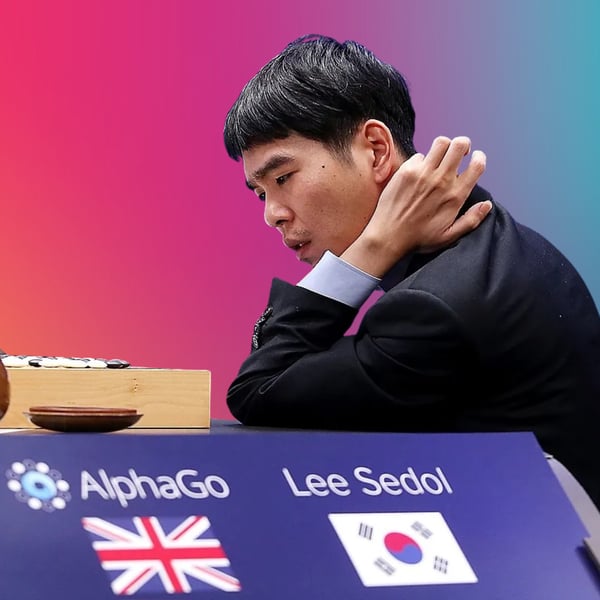
Then came the internet. And with it: data.
A new type of AI grew forth – one that did not need rules, but one that could learn from patterns.
Machine learning and neural networks changed the game. Technology could now be trained, not just programmed.
AI became everyday – but invisible. In applications, in navigation, in our smartphones and in our homes.
.png?width=600&name=Best%20national%20parks%20in%20(4).png)
.png?width=600&name=Ai-assistent-mobile-manpsd%20(2).png)
2020
Today, AI writes emails. It translates languages. Makes art. Codes software. It is found in hospitals, in industry, in education – and in entertainment.
But something has changed. It is no longer about being fast or clever. It is about trust. About understanding. And about responsibility.
AI is no longer a machine in a corner.
It is our conversational partner.
And we must learn to ask the right questions..png?width=600&name=Best%20national%20parks%20in%20(5).png)
Watch the Full Story
.png?width=600&name=Best%20national%20parks%20in%20(6).png)